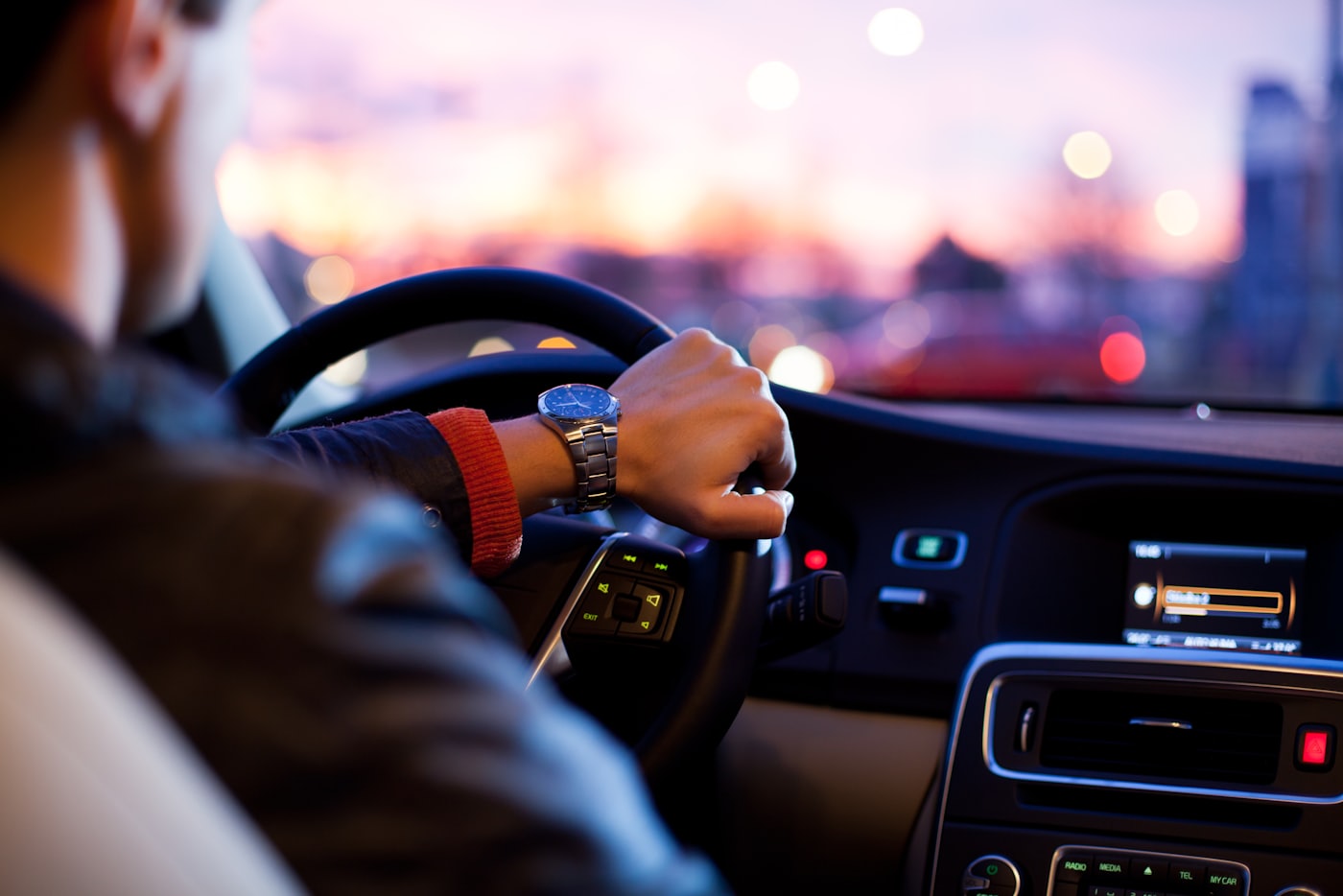
There is a two-mile stretch between the last stoplight and my turn-off with no street lamps on it. I have driven it for twenty-one years. Last November I pulled onto the shoulder in the middle of it, put the hazards on, and sat there until my eyes came back.
A car had come the other way. Nothing unusual, nothing fast. Its headlights arrived as two enormous white flowers that filled the whole windshield, and for about four seconds afterwards I could not see the edge of the road. Not dimly. Not at all.
I knew where the edge was because I have driven it for twenty-one years, and that is the only reason I stayed on the blacktop.
When I told my daughter, she said the headlights are all like that now, everyone says so. She is right that everyone says so. What she did not know is that the recovery afterwards had been getting longer for about two years, and I had been quietly rearranging my life around it.
“I had stopped saying yes to eight o'clock. I kept three reasons ready, and none of them was true.”
What everyone told me it was
My optometrist was pleasant about it. She checked my prescription, adjusted it very slightly, and told me that modern LED headlights are much harsher than the old halogen ones, which is true. She recommended an anti-reflective coating. Then she said the sentence I have since heard from three other people in that profession, which is that this sort of thing is just part of getting older.
I want to be fair to her. She was not being dismissive and she was not wrong about the headlights. But the conversation ended there, and I left with a quote for coatings and no explanation of why the recovery had changed. Everyone wanted to talk about the light coming in. Nobody wanted to talk about what happens after it stops.
Everything I bought first
I am putting this list in because I would have found it useful, and because it is the honest order I did things in rather than the order that makes me look sensible.
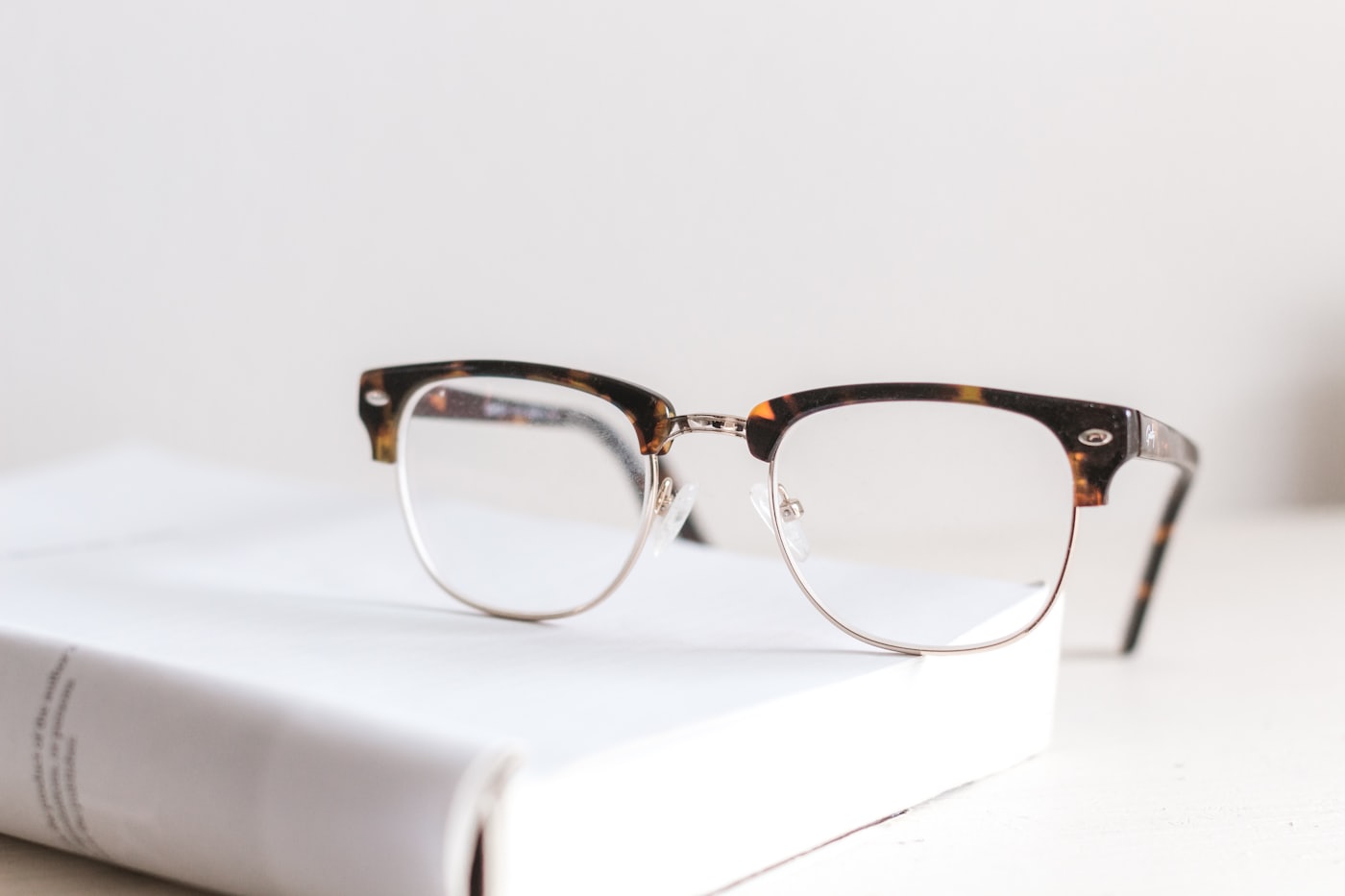
- Anti-reflective coating on new lenses. $95 on top of the frames. It made the reflections inside the lens quieter. It did nothing to the four seconds.
- Yellow-tinted night-driving glasses. $28 from a marketplace, then a better pair at $60 when I decided the first pair must have been the cheap kind. The road looked warmer. The bloom was identical.
- Cleaning the windshield obsessively. Inside and out, with three different products, because someone in a forum was certain that was it. It was not it.
- Replacing the wiper blades. In fairness, they needed doing.
- Choosing routes by street lighting. Adding eleven minutes to a twenty-minute journey. This one actually worked, which is what made it so depressing.
- Leaving before sunset. Which in December means leaving at three thirty, and which is the point at which I stopped being able to pretend this was about headlights.
That is somewhere near $200 and about two years. Every one of those purchases felt specific and grown-up at the time. Every one of them was aimed at the light arriving at my eye, and not one of them touched the thing that had actually changed.